
The thirty-second version
Roguelite retro FPS with an actual look.
The ship is haunted, the guns are loud, and bedtime was an hour ago.
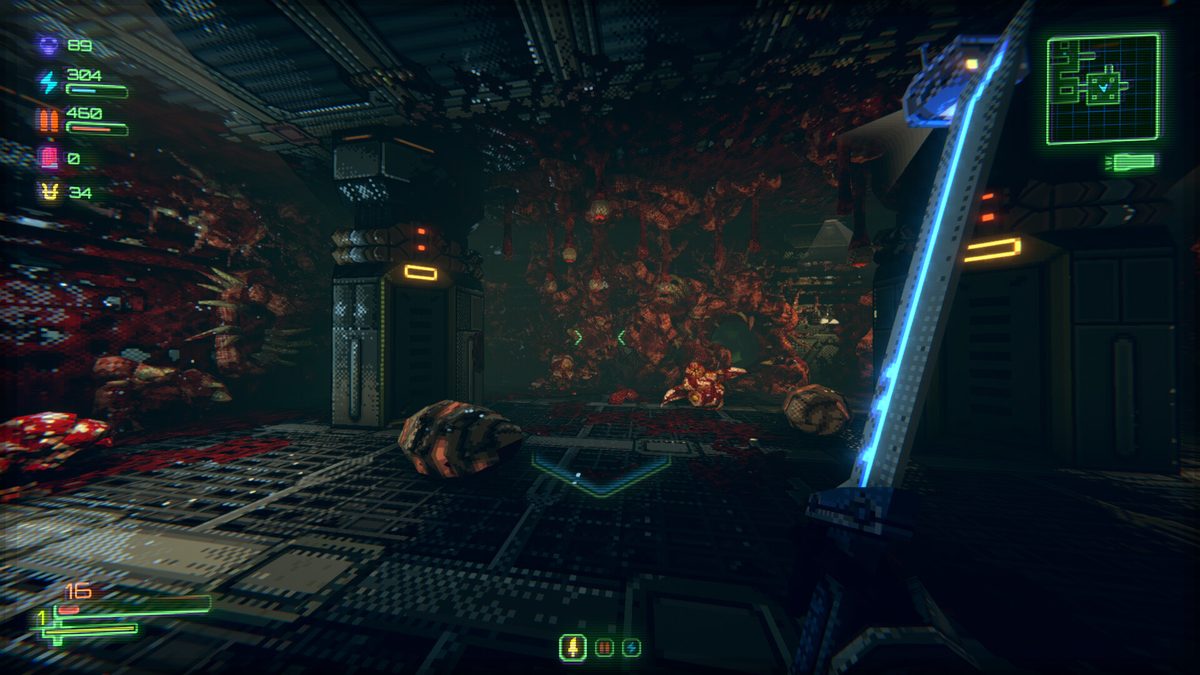
Moros Protocol is the kind of pitch that gets all three of us leaning forward. Retro FPS crunch (chunky pixel textures, low-poly corridors) inside a roguelite that reshuffles the ship between runs. Combine that with augments and found weapons that actually reshape a loadout and you've got a genuinely good hook. It launched during the show, per the store page, which turns anticipation into 'when do we buy it.'
Okay, what is this thing?
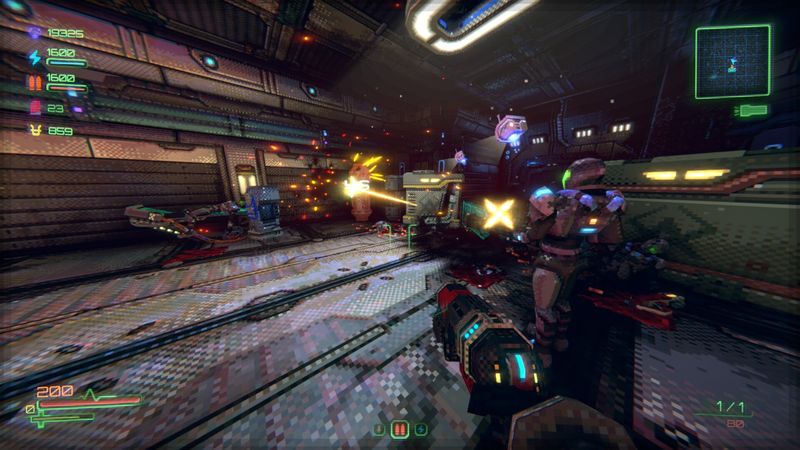
The Orpheus is dead in space, its lights are on, and something on it isn't happy to see you. You wake up without your memory, which is a video-game problem so old it comes with its own retirement plan. The visual language is late-90s FPS by way of a very deliberate art director: crunchy pixel textures, low-poly geometry, corridors that look like a haunted level from a game you owned on a demo disc. That look is doing a lot of the pitch on its own.
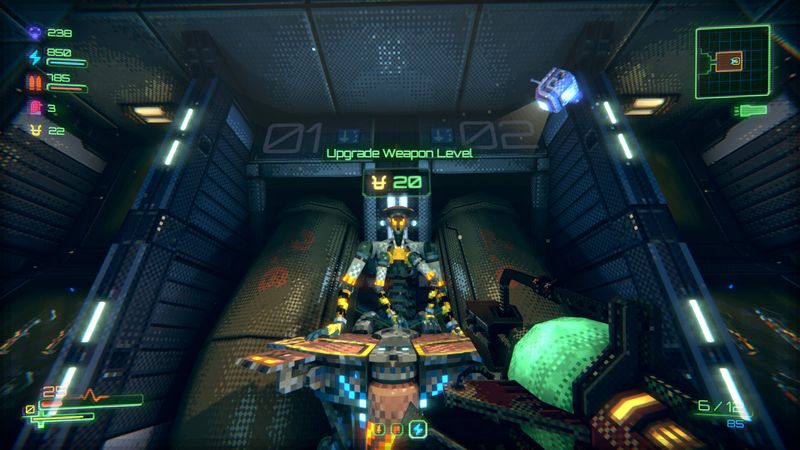
Under it is a roguelite. The Orpheus reshuffles its corridors between runs, weapons are found rather than assumed, and augments change what a loadout can even attempt. That's the ingredient that separates it from nostalgic score chases. If augments only bump damage up a bit, it's a shooter with a checkpoint problem. If they actually change how a room gets cleared (mobility build here, sniper build there) we're all installing it the same night.
The short version
- The Orpheus reshuffles its corridor layout between runs, per the studio.
- The look is a specific combo of low-poly geometry and crunchy pixel textures.
- Weapons and augments together shape each run's loadout.
Three dads enter
01
Dad Who Skipped the Tutorial
Retro speed only works if failure is fast.
I haven't beaten a Doom-anything since Doom II, and this one looks meaner. What I need is enemies I can read at a glance and difficulty options that let me keep pushing without redoing the same three rooms fourteen times. If I've got to memorize corridor patterns to survive, I'm out inside a night. If a run stays interesting on the first attempt, I'll do a few more.
02
The Descent Guy
The loadout is the reason to keep running.
I respect the retro FPS layer, but the roguelite is where I live. I want an augment that flips my priorities. One that turns me from a slow tank into a mobility build, or makes a specific weapon suddenly the only correct choice. If the augment tree is +damage, +ammo, +health, I'll play once and move on. If a run's identity shifts by pickup, I've got a priorities spreadsheet by run three.
03
Normal-ish Dad
Short bursts, big volume; that's my exact evening.
A run-based FPS is basically designed for the window between the kids being asleep and me passing out on the couch. My main worry is boss checkpoint policy. If the loop is 'die at the boss, restart the whole ship,' I'm playing it twice and shelving it. If the game respects that I've only got forty minutes, this is a serious rotation candidate.
Who it is for and what to watch
Invite these people
- Retro FPS fans who want procedural teeth on their nostalgia
- Roguelite players who prefer aim over deck building
- Anyone who reads 'derelict warship' and immediately opens the store page
Dad caveats
- Whether early rooms feel new after a few runs
- Difficulty and accessibility for players outside the retro FPS crowd
- How much a single augment can actually change a run
Receipts
No hands-on. Built off the Steam page and its PAX West listing. It had already shipped by the time we got to writing this up.